What the 2026 JAMDA Hydroxyl Air Disinfection Study Means for Florida Senior Living Facilities

Most people have heard about air purifiers, filters, ozone machines, sprays and odor neutralizers. The trouble is that these solutions are not all designed to work the same way. Some capture particles. Some cover up smells. Some require the space to be empty. Some are better suited for short-term treatment after hours.
What a Blackberry Test Can Teach Facility Managers About Natural Air Purification
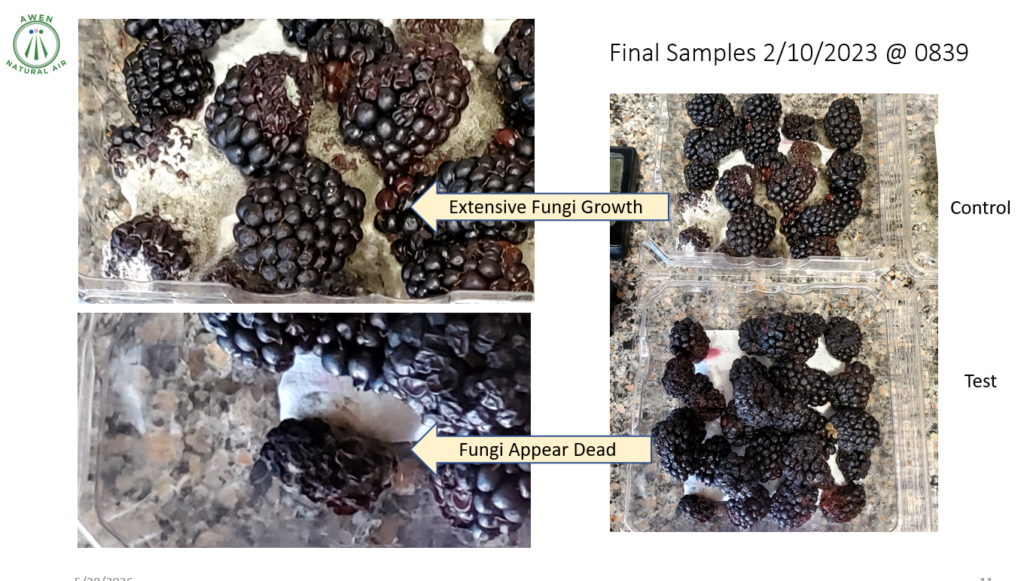
Most people have heard about air purifiers, filters, ozone machines, sprays and odor neutralizers. The trouble is that these solutions are not all designed to work the same way. Some capture particles. Some cover up smells. Some require the space to be empty. Some are better suited for short-term treatment after hours.
Photohydrolytic Technology for CIRS: Improving Indoor Air for Mold, Mycotoxin, and Chemical Sensitivities

Photohydrolytic Technology for CIRS: How It May Improve Indoor Air for Mold, Mycotoxin, and Chemical Sensitivities For the estimated tens of millions of people living with Chronic Inflammatory Response Syndrome (CIRS), the battle begins, and often must be won, at home. About 25% of the population carries the HLA-DR gene variants that prevent the immune system from correctly identifying and clearing mycotoxins, trapping them in a relentless inflammatory cycle. Advocates like The Biotoxin Lady (@thebiotoxinlady) have brought hard-won, personal clarity to this underdiagnosed illness, helping thousands understand that healing from CIRS requires far more than medical intervention alone. It demands a fundamentally cleaner indoor environment. Beyond CIRS: A Family of Biotoxin-Driven Conditions CIRS is not alone in its environmental demands. Mast Cell Activation Syndrome (MCAS), increasingly recognized as a close companion to CIRS, shares the same critical requirement: remove the biotoxin load from the living space or no lasting healing occurs. Mycotoxin exposure from water-damaged buildings is one of the most severe and most overlooked CIRS and MCAS triggers, producing whole-body hyperreactivity that does not improve with any other intervention until the mold exposure is identified and removed. Chemical sensitivities to fragrances, pesticide residues, and volatile organic compounds activate sensitized mast cells at exposures that healthy immune systems handle without response. Similarly, molds and mycotoxins are well-documented causes of chronic fatigue syndrome and fibromyalgia, and Multiple Chemical Sensitivity (MCS), a chronic, recurring disorder caused by a person’s inability to tolerate environmental chemicals, overlaps significantly with fibromyalgia and chronic fatigue syndrome, with symptoms improving or resolving when chemical irritants are removed. For all of these conditions, the indoor environment is not just a backdrop to the illness. It is often the engine driving it. The Environmental Imperative in the Shoemaker Protocol The Shoemaker Protocol, the gold-standard, evidence-based framework for CIRS, makes environmental remediation its very first step, requiring complete removal from biotoxin exposure before any downstream treatment can succeed. Dr. Ritchie Shoemaker defines CIRS as a systemic inflammatory response from exposure to the interior environment of water-damaged buildings, encompassing not just mold, but mycotoxins, bacteria, actinomycetes, endotoxins, beta-glucans, and volatile organic compounds. Even after visible mold is remediated, a toxic mix of chemicals, fungi, and mycotoxins can remain embedded in walls, HVAC systems, and building materials, continually contaminating the air. Traditional air filters capture particulates but leave gaseous mycotoxins, pyrogens, and VOCs untouched. A more powerful, active approach is needed, one that transforms the chemistry of the entire indoor environment, not just a passive approach of filtering particles that pass through a device. Enter Photohydrolytic Hydroxyl Oxidation (PHO) A company called Pyure pioneered a technology that mirrors how the sun creates hydroxyl radicals outdoors, bringing that process inside where CIRS, MCAS, and MCS sufferers need it most. Pyure’s patent-protected technology mimics the way sunlight sanitizes the outdoor environment by safely generating hydroxyls indoors. These hydroxyls produce organic oxidants that disperse and treat the entire space, sanitizing the air and every surface the air contacts, including furniture, building materials, and other areas that have absorbed gaseous toxins. The mechanism behind this is Photohydrolytic Hydroxyl Oxidation (PHO). As air passes through the reaction chamber, multiple UV frequencies induce a series of reactions with water molecules and other components of the airstream. This process yields hydroxyl radicals, a negatively charged oxygen-hydrogen molecule. Hydroxyls then interact through oxidation-reduction reactions, forming longer-lived organic oxidants. In numerous laboratory and real-world settings, these organic oxidants disperse throughout the space and render VOCs, viruses, bacteria, and mold inactive in the air and on surfaces. For CIRS patients, this matters profoundly. These organic oxidants significantly contribute to the degradation of mycotoxins, breaking these highly toxic secondary metabolites down. The same chemistry that degrades mycotoxins also neutralizes the pyrogens, bacterial endotoxins, and the broad spectrum of VOCs that co-trigger the biotoxin pathway in CIRS, MCAS, MCS, and related conditions. Why PHO Decisively Outperforms PCO Devices Many CIRS patients have tried hydroxyl generators that use Photocatalytic Oxidation (PCO) air purifiers. Many have found PCO devices inadequate, and for good reason. PCO devices use a catalyst substrate, typically titanium dioxide. Hydroxyls are formed on the substrate and do produce small amounts of organic oxidants. However, the quantity produced makes these devices effective for very small areas. As the devices are used, the substrate accumulates dust particles that further degrade hydroxyl production. The effectiveness of PCO devices depends mainly on pollutants passing through a chemical catalyst surface inside the unit. PCO technology tends to be less effective as distance increases, and it may not reach surfaces at long distances. Mycotoxins, endotoxins, and VOCs do not merely float in the air. They settle on surfaces, embed into furnishings, and are continuously re-aerosolized. In HVAC ducting, bathrooms, and other places with moisture at meaningful distance from the PCO catalyst surface may generate more toxins than can be removed. Pyure’s PHO approach sidesteps PCO limitations entirely. Because Pyure’s UV reaction chamber contains no chemical catalyst surfaces, it avoids the catalyst degradation and proximity limitations inherent in PCO design. The hydroxyls react with VOCs to generate powerful organic oxidants that actively cascade through the entire space, reaching into HVAC ducts, bathrooms, closets, furnishings, and rooms at greater distances from the device itself. PCO devices simply cannot actively treat surfaces at distance from the device. PHO systems can be safely and continuously operated in the presence of people, animals, plants, and furnishings. They do not degrade materials. They do not damage or yellow plastics, harden rubber, or bleach fabrics. Pyure has an FDA Class II cleared device, and Steris, a company that designs hospital operating rooms, includes Pyure equipment in their designs. In addition, Pyure systems are in hospitals, assisted living facilities, dentist offices, hotels, casinos, food and beverage manufacturing, and many other applications. Independent evaluation confirmed no harmful byproducts, and a 13-week mammalian safety study found no adverse health effects at therapeutic levels. PCO units also carry a notable risk. PCO reactions, in the process of breaking down VOC gases, can create new VOC gases such as
Why Veterinary Clinics in Brevard County Are Adopting Hydroxyl Technology for Odor Control and Air Quality

Veterinary clinics and animal hospitals face some of the most demanding indoor environmental challenges of any commercial space. Managing a facility that cares for animals means dealing with a constant influx of biological contaminants, shedding dander, and most notably, persistent and complex odors. For clinic owners and facility managers in Melbourne and across Brevard County, Florida, maintaining a clean, professional atmosphere is essential for client confidence and staff comfort. Traditional cleaning protocols are critical, but they only address surfaces temporarily. This guide explores why modern veterinary practices are turning to continuous, active air purification technologies like hydroxyl generators to manage odors and improve overall indoor air quality safely and effectively. The Unique Environmental Challenges of Veterinary Care Operating a veterinary clinic in Florida’s humid climate requires constant vigilance. The combination of high foot traffic, animal patients, and the necessary use of strong cleaning agents creates a complex indoor environment. Standard HVAC systems, even those equipped with high-efficiency filters, are not designed to manage the specific challenges inherent to animal care facilities. Challenge Source Impact on Clinic Environment Persistent Odors Animal waste, anal gland expressions, wet fur, and biological fluids Creates a negative first impression for clients and a challenging work environment for staff Airborne Pathogens Sick animals, shedding, and shared waiting areas Increases the risk of cross-contamination among vulnerable animal patients Volatile Organic Compounds (VOCs) Clinical disinfectants, specialized cleaning agents, and medical supplies Can cause respiratory irritation and discomfort for both staff and animals Dander and Allergens Continuous presence of various animal species Contributes to poor air quality and triggers allergic reactions in sensitive individuals Veterinary practices in Brevard County must address these issues continuously. The critical requirement is that any solution deployed must be entirely safe to operate around animals, staff, and clients throughout the day. Moving Beyond Masking Agents and Filtration Historically, many clinics have relied on a combination of robust surface cleaning and masking agents or air fresheners to combat odors. However, masking agents do not eliminate the source of the smell; they merely cover it up with synthetic fragrances, which can be irritating to the sensitive respiratory systems of animals, particularly cats and birds. Similarly, traditional HEPA filtration is excellent at capturing larger particulates like hair and some dander, but it is largely ineffective against the microscopic molecules that cause odors and VOCs. Filters also rely entirely on air passing through the HVAC system, leaving the air and surfaces in exam rooms and boarding areas untreated between cycles. This is where active air purification technologies provide a significant advantage. Hydroxyl generators replicate the natural oxidation process that occurs outdoors when sunlight interacts with water vapor. The resulting hydroxyl radicals and organic oxidants are dispersed throughout the clinic, actively seeking out and neutralizing odor molecules and contaminants in the air and on surfaces. Key Benefits of Hydroxyl Technology for Veterinary Practices For veterinary clinics in Melbourne, FL, and surrounding areas, integrating hydroxyl technology offers practical, continuous benefits that directly address the realities of animal care. Continuous Odor Neutralization at the Source Unlike ozone generators, which are toxic and cannot be used in occupied spaces, hydroxyl generators are completely safe for continuous use around people and animals. They do not mask odors; they destroy the odor-causing compounds at the molecular level. This means the clinic smells genuinely clean, rather than smelling like cleaning chemicals or artificial fragrances. Safe for 24/7 Operation in Occupied Spaces Veterinary clinics are busy environments. The ability to run an air purification system 24 hours a day, 7 days a week, without disrupting operations or requiring spaces to be vacated, is a fundamental requirement. Hydroxyl technology operates quietly in the background, providing continuous environmental control whether the clinic is open for appointments or housing animals overnight. A Powerful Supplement to Clinical Sanitation Hydroxyl generators do not replace the rigorous cleaning and disinfection protocols required in veterinary medicine. Instead, they act as a continuous, automated layer of protection. While manual cleaning addresses surfaces periodically, hydroxyl technology works constantly to reduce the overall microbial load and manage odors between cleaning cycles, maintaining a higher baseline of environmental cleanliness. No Fragrances, No Ozone, No Chemical Residue Many conventional approaches to odor management are inappropriate for clinical settings. Fragrances can trigger reactions, and ozone is a known respiratory irritant that is dangerous to animals. Hydroxyl technology uses neither. It provides steady, non-reactive environmental control, leaving no chemical residue behind. How Hydroxyl Technology Compares for Veterinary Use When evaluating options for odor control and air quality, clinic managers must consider safety and effectiveness in an active environment. Technology Safe in Occupied Spaces? Eliminates Odors? Treats Surfaces? Notes Hydroxyl Generator Yes Yes Yes Continuous, safe for animals, destroys odors at the molecular level HEPA Filter Yes Limited No Captures particles but does not neutralize complex odor molecules Ozone Generator No Yes Yes Highly toxic to animals; requires complete evacuation of the space Masking Agents/Sprays Yes No No Only covers odors temporarily; can irritate animal respiratory systems For a veterinary facility that must remain operational and welcoming, hydroxyl technology is the only approach that delivers comprehensive, safe, and continuous odor and environmental management. Elevating the Standard of Care and Client Experience For veterinary clinics and animal hospitals in Melbourne, FL, and across Brevard County, the quality of the indoor environment directly impacts the client experience and staff well-being. A clean-smelling, professionally maintained facility reassures pet owners that their animals are receiving the highest standard of care. Awen Natural Air serves commercial and institutional clients across Central Florida with advanced Pyure® hydroxyl generator technology. Whether you operate a small boutique clinic or a large, multi-specialty animal hospital, our team can help you identify the right equipment configuration to manage odors and improve your indoor environment safely and continuously. To explore how hydroxyl technology can transform your veterinary practice, visit our Commercial Air Purification Solutions page or contact Awen Natural Air directly to discuss your specific facility needs. Related: commercial air purification solutions, hydroxyl generator rentals and on-site demonstrations across Brevard and
Why Melbourne, FL Healthcare Facilities Are Upgrading to Continuous Air Purification

Why Melbourne, FL Healthcare Facilities Are Upgrading to Continuous Air Purification by Brian Reid | March 2026 | Air Purification For healthcare administrators and facility managers in Melbourne and across Brevard County, Florida, maintaining pristine indoor air quality (IAQ) is not just a matter of comfort, it is a critical component of patient safety and staff well-being. While traditional sanitation protocols are essential, they often fall short in addressing airborne and surface pathogens, volatile organic compounds (VOCs), and persistent odors that circulate continuously through occupied clinical spaces. This guide explores why institutional healthcare facilities are increasingly turning to continuous, 24/7 air purification technologies like hydroxyl generators to supplement existing protocols and create a safer, healthier environment. The Unique Indoor Air Quality Challenges Facing Healthcare Facilities in Florida Florida’s humid climate presents a unique set of challenges for any building, but these are magnified in a healthcare setting. The Agency for Health Care Administration (AHCA) has specific guidelines regarding indoor air quality in licensed healthcare facilities, particularly concerning moisture and biological contaminants. Beyond regulatory considerations, the very nature of healthcare operations introduces a constant stream of airborne and surface challenges that standard HVAC systems were never designed to address alone. Challenge Source Impact on Facility Airborne Pathogens Patients, staff, visitors, and shared surfaces Increased risk of healthcare-associated infections (HAIs) for vulnerable patients and staff Volatile Organic Compounds (VOCs) Cleaning agents, disinfectants, building materials, and medical equipment Respiratory irritation, headaches, and long-term health concerns for staff and patients Persistent Odors Medical procedures, organic sources, and chemical treatments Negative impact on patient experience, family perception, and staff morale Mold and Biological Growth Florida’s high humidity and any moisture intrusion Costly remediation, regulatory non-compliance, and health risks for immunocompromised patients Hospitals, clinics, dental offices, and long-term care facilities in Brevard County face all of these challenges simultaneously, and often in spaces that cannot be vacated for treatment. That last point is critical: any air purification solution deployed in an institutional healthcare environment must be safe for continuous use around patients, staff, and sensitive medical equipment. Beyond Filtration: Why Active Air Purification Changes the Equation Traditional HVAC systems equipped with HEPA filters are effective at capturing airborne particulates such as dust and pollen. However, they are considerably less effective against smaller pathogens, VOCs, and odors. Furthermore, filters only treat the air that passes directly through them, leaving surfaces, corners, and the broader room environment largely untreated. This is where active air purification technologies, specifically hydroxyl generators, offer a meaningful advantage. As explained in detail in our post How Do Hydroxyl Generators Work?, these devices replicate the natural photohydrolytic process that occurs outdoors when sunlight interacts with water vapor. The resulting hydroxyl radicals and organic oxidants are dispersed throughout the indoor space, where they actively seek out and neutralize contaminants in both the air and on all surfaces within the treated space. This is not a passive process. Unlike a filter that waits for air to pass through it, hydroxyl technology continuously treats the entire indoor environment, providing a level of coverage that complements and extends the reach of standard sanitation protocols. Key Benefits of Hydroxyl Technology for Institutional Healthcare Settings For healthcare facilities in Melbourne, FL, and Brevard County, adopting hydroxyl technology offers a range of concrete benefits that directly address the demands of the institutional environment. Designed for Continuous Use in Occupied Spaces Unlike ozone generators, chemical fogging treatments and flash UV devices, hydroxyl generators are completely safe for use in occupied spaces. This means they can run 24 hours a day, 7 days a week, without disrupting patient care, requiring staff to vacate areas, or posing any risk to patients, visitors, or sensitive equipment. For a facility that never closes, this is not a minor convenience, it is a fundamental requirement. FDA-Registered Class II Medical Device The Pyure MDU/Rx™, available through Awen Natural Air, is an FDA-registered Class II medical device. Independent laboratory testing has demonstrated that it can eliminate 99% of airborne SARS-CoV-2 in 20 minutes, with the virus no longer detected in the air after 80 minutes. This level of validated performance provides healthcare administrators with the confidence that the technology meets the rigorous standards expected in a clinical environment. To learn more about the underlying technology, visit the Technology page. A Powerful Supplement to Existing Sanitation Protocols Hydroxyl generators are not a replacement for established cleaning and disinfection procedures. Rather, they function as a continuous, automated layer of protection that operates between manual cleaning cycles. With manual sanitation, areas can be missed and air and surfaces can have pathogens and odors minutes after being treated. By reducing the overall airborne and surface microbial load around the clock, hydroxyl generators make existing sanitation efforts more effective and help maintain a cleaner baseline environment at all times. Measurable, Data-Backed Results One of the most compelling aspects of hydroxyl technology is that its effectiveness can be measured objectively. In a documented case study involving a Melbourne-area healthcare clinic, Awen Natural Air recorded a 94% reduction in formaldehyde and a 92% reduction in total VOCs during one week of hydroxyl treatment, with staff and patients remaining in the building throughout. You can read the full account in our post, Burnt Plastic Odor Removal for Clinics in Melbourne FL. No Fragrances, No Ozone, No Residue Many conventional air treatment approaches rely on masking agents, fragrances, or ozone, none of which are appropriate for a healthcare setting. Fragrances can trigger reactions in chemically sensitive patients. Ozone is a known lung irritant and is not safe for occupied spaces. Hydroxyl technology uses none of these. It destroys contaminants at the molecular level, leaving no chemical residue and no artificial scent. The result is air that is genuinely cleaner, not just better-smelling. How Hydroxyl Technology Compares to Other Approaches Healthcare facility managers evaluating air purification options will encounter a range of technologies. The table below provides a direct comparison relevant to institutional healthcare environments. Technology Safe in Occupied Spaces? Treats Surfaces? Eliminates Odors? Reduces Pathogens? Notes Hydroxyl
Removing Nicotine Odor from a Condo

Nicotine odor is one of the toughest smells to remove. It does not just existe in the air. According to the U.S. Environmental Protection Agency (EPA), chemicals from smoking or vaping can remain indoors for a long time and can build up on hard surfaces like walls, ceilings,tables, cabinets, doors and floors, and embed in soft surfaces like clothing, upholstery, drapes, bedding, and carpets. Mayo Clinic says this lingering residue is often called thirdhand smoke, as it gets stuck in soft items and settles on hard surfaces, staying for months after smoking stops. According to Washington State Department of Health, nicotine and tar can cling to clothing, walls, and furniture for years. Because these residues include chemicals that can re-enter the air over time, odor problems can act like VOC-related issues. According to the EPA, volatile organic compounds (VOCs) are compounds that evaporate easily under indoor conditions. The situation A condo owner needed to sell his property. He hired an experienced real estate agent who toured the condo and immediately noticed a strong nicotine odor. The owner had lived there for over 15 years and was a smoker, so to sell the condo, the odor needed to be gone. The agent first looked into residential air purifiers, but quickly realised the smell was likely embedded in surfaces, not just floating in the air. Being an experienced agent, he also knew that using ozone wasn’t a good answer because it’s highly toxic and can be harmful to furnishings. The owner needed to be in the space to remove furnishings, clean, freshen paint, etc. Contractors were being arranged to replace worn carpeting. The agent needed a solution that was safe, natural and effective. He then searched online for “odor removal” alternatives and found Awen Natural Air. Tom, the owner, took the time to answer the agent’s questions and explain how hydroxyl radicals work. Can hydroxyl treatment remove nicotine odor? Yes. Nicotine is a volatile organic compound (VOC). Hydroxyl radicals break down VOCs at the molecular level, in the air and on surfaces. Nicotine is also tar-like. It clings to walls, cabinets, upholstery, wood, and fabrics. That is why the smell can stay even after cleaning or airing out the space. The odor off-gasses from the persistent nicotine film. For stubborn cases like this, using the best commercial grade hydroxyl generator for the size and condition of the space helps the treatment work consistently over time. Hydroxyl treatment targets the source compounds, instead of covering them up with fragrance. How long does nicotine odor removal take? It depends on severity, contents of the space and hydroxyl equipment, but nicotine can take several days to a few weeks because it is sticky and persistent. In this condo, the full treatment took 16 days. How much does it cost? For local Melbourne area properties, pricing is: $450 for the first week, and $300 for each additional week. Services are capped at $1,500 when it takes longer than four weeks. The agent liked that hydroxyl treatment cost much less than restoration company quotes of $2,600 or more. Is it safe to be in the home during treatment? Yes. Hydroxyl treatment is safe for people, animals, plants, and furnishings. Pyure hydroxyl equipment uses a photohydrolytic process that mimics the way hydroxyls are formed outdoors on a sunny day. A safe, natural way to cleanse the air and surfaces. Awen Natural Air has had hydroxyl equipment running continuously in hospitals, healthcare clinics, Brevard School Systems, Patrick Space Force Base, storefronts, and residences. What prep is needed? No special prep is required; no evacuation, no tenting, no safety equipment needed. In most homes, we simply: Place the equipment in the home If possible, set the HVAC fan to run continuously Open cabinets and drawers That’s it. Does the equipment need monitoring? No. The equipment runs continuously. Awen Natural Air delivers the equipment, sets it up, confirms it is operating correctly, and checks progress periodically. When the treatment is complete, we pick up the equipment, clean it, and prepare it for the next job. It is a turnkey service for the Melbourne, FL area. How do you know the treatment is working? We use an air quality monitor to take initial and periodic readings, including: Particulates (PM2.5, PM10 and total particulates. Temperature and humidity Air Quality Index HCHO (formaldehyde) Total VOCs (TVOC) In homes with heavy nicotine, it often takes about three days before there is a noticeable reduction in TVOC. We call this breakthrough. After breakthrough, TVOC typically continues dropping each day. Figure 1. Formaldehyde (HCHO) and Total VOC (TVOC) levels in a nicotine-filled condo decreasing over time during hydroxyl treatment in a condo. Why the agent chose Awen Natural Air The agent had a few clear reasons for moving forward: Lower cost than traditional restoration services Safe for people, animals, plants and furnishings The owner and contractors could come and go while the condo was being treated True turnkey service, no one needed to be present for delivery, check-ins, or pickup Progress could be measured using and air quality monitor There was another practical factor too. The owner was cash strapped. Awen Natural Air offered an option to include the treatment service in the sales contract so it could be paid at closing. The result The agent proceeded with hydroxyl treatment. The condo took 16 days to treat. In the end, the owner saved money compared with other restoration and cleaning options. The process was straightforward, hands-off for the owner and agent, and the condo was ready to sell with a better chance of commanding a higher price. FAQ: Nicotine Odor Removal with Hydroxyl Treatment How do I know if a home has nicotine odor vs just “stale air”? If the smell hits you as soon as you open the door, comes back quickly after airing out, or comes back after cleaning, it is often nicotine residue on surfaces and materials, not just in the air. Will it work on marijuana, cigars or other odors? >Yes. Hydroxyls
Burnt Plastic Odor Removal for Clinics in Melbourne FL

Avoiding Absenteeism While Treating an Acrid Burnt Plastic Odor in a Healthcare Clinic Late one morning, a Central Florida business owner reached out to Awen Natural Air with an urgent problem. She managed three clinics in the region, including one in Melbourne, FL. The night before, the cleaning crew had used the clinic break room microwave to heat their dinner. Either the microwave malfunctioned or the wrong settings were used. A plastic container overheated and partially melted, filling the clinic with an acrid burnt plastic odor. The next morning, staff arrived to find the odor still hanging in the air. Some employees were so affected that they had to take sick days. Appointments were cancelled and rescheduled. For a healthcare practice, turning patients away was not a good look, and the owner needed a fast but safe solution that would not shut the clinic down. She contacted Awen Natural Air to see if their technology could solve the issue and asked a few important questions before moving forward. Can Hydroxyl Generators Remove the Acrid Burnt Plastic Odor? Awen Natural Air confirmed that their technology was well suited to the situation. When plastic melts or burns, it can release hydrogen chloride, benzene, formaldehyde, phthalates and polycyclic aromatic hydrocarbons. These substances are not only unpleasant but can also be irritating and unhealthy to breathe. The Pyure Boss hydroxyl generators used by Awen Natural Air are designed to break down these chemicals into less harmful substances. Instead of masking the odor, the hydroxyls react with the contaminants in the air and help neutralize them. How Long Will It Take to Clear the Odor? Because the initial concentration of chemicals in the air was unknown, it was difficult to give a precise time estimate. Based on similar projects, Awen Natural Air advised that it would likely take anywhere from a day to several days to fully treat the space. However, they also explained that within a few hours of treatment, the air would probably improve enough that people would not feel incapacitated by the odor and could work more comfortably. Can staff remain in the clinic during treatment? Yes. Hydroxyl treatment is safe for people, animals, plants and furnishings. A key advantage of this approach is that there is no need to vacate the building. Staff and patients can remain in the space while the equipment is running. What Is the Cost of Treatment? Because the plan was to place the equipment in the clinic and let it run for one week without moving it or requiring frequent site visits, the total cost stayed under $250. After the owner approved the plan, she connected Awen Natural Air with the facility manager. Equipment delivery was arranged within two hours. Before turning on the hydroxyl generator, Awen Natural Air took indoor air quality measurements with an air quality monitor: Formaldehyde (HCHO): 0.36 mg/m³ (very poor) Total VOCs: 1.15 mg/m³ (very poor) Once the Pyure Boss hydroxyl generator was installed and checked for proper operation, it was turned on and allowed to run. The equipment stayed in place for a week, although the facility manager noted that staff members seemed to be turning the unit off at night, contrary to instructions. Measured Results: 94% Reduction in Formaldehyde and 92% Reduction in TVOC At the end of the week, the hydroxyl equipment was shut off and removed. After waiting about 20 minutes, indoor air quality measurements were taken again. The results showed a clear improvement: 94% reduction in formaldehyde 92% reduction in total VOCs Indoor air quality index improved from 14 down to 4, a 71% improvement These reductions are especially meaningful. The World Health Organization’s Guidelines for Indoor Air Quality: Selected Pollutants state that a short-term (30-minute) indoor guideline of 0.1 mg/m³ for formaldehyde is recommended to prevent sensory irritation and long-term health effects. Similarly, the American Lung Association’s page on Volatile Organic Compounds explains that breathing VOCs at elevated levels can cause eye, nose and throat irritation, headaches, nausea, dizziness and difficulty breathing, and that long-term exposure can damage the liver, kidneys and central nervous system, with some VOCs linked to cancer. The clinic owner was very pleased with the outcome. She did not have to shut down the clinic. Appointments stayed on schedule. Staff and patients were comfortable while the hydroxyl equipment quietly did its work. The cost was reasonable, and the improvement was both noticeable and measurable. Why Awen Natural Air Is a Smart Choice for Odor Removal and Air Purification in Florida Awen Natural Air focuses on safe, effective indoor air purification using Pyure hydroxyl technology. Their systems are designed to neutralize odors and break down VOCs, bacteria and other contaminants in the air. Compared to traditional methods like chemical fogging or ozone treatment, hydroxyls offer some important advantages: Safe to use while people, pets and plants are present No harsh chemical residues left behind No need to close the building or stop operations Effective on tough odors, including burnt plastic, smoke, mold and musty smells Awen Natural Air also provides before-and-after indoor air quality measurements, so clients can see the actual data. For clinics, offices, schools and homes across Florida, this gives peace of mind that the air is not just better smelling, but objectively cleaner. If a home or business is struggling with lingering odors or poor indoor air quality, Awen Natural Air offers a practical, science-based solution. Frequently Asked Questions Is hydroxyl treatment safe for people and pets? Yes. Hydroxyl generators are designed to be safe for people, pets and plants while they’re operating. Unlike ozone or harsh chemical treatments, they don’t require you to vacate the space or remove furnishings, so normal activity can continue during treatment. Does hydroxyl technology eliminate odors or just cover them up? It eliminates odors at the molecular level by reacting with VOCs and other airborne contaminants and helping to break them down into less harmful substances. This means the source of the smell is reduced in the air, rather than being covered
The Complete Guide to Indoor Air Quality in Florida

Indoor air quality (IAQ) plays a crucial role in your health and well-being, particularly in Florida. Due to the state’s warm climate, high humidity, and frequent storms, Florida homes face unique indoor air quality challenges. Common issues include mold growth, moisture, and pollutants that thrive in poorly ventilated spaces. At Awen Natural Air, a Melbourne, FL provider backed by decades of engineering expertise, we specialize in addressing these issues using natural, safe air purification technologies. This guide will explain what indoor air quality means, why it is important in Florida, common IAQ issues, and how to resolve them. We will also provide room-by-room advice, solutions, and local resources to help you improve the air quality in your home or business. Awen Natural Air specializes in providing Pyure® hydroxyl radical generator equipment through flexible rental and purchase options. As Florida’s representative for Pyure® technology, we offer professional-grade equipment that safely and naturally purifies indoor air. Whether you need a short-term rental for odor removal or a permanent installation for ongoing air quality management, our hydroxyl generators provide a chemical-free solution that works 24/7, even in occupied spaces. What Is Indoor Air Quality? Indoor air quality refers to how clean and healthy the air is inside a building such as a home, office, or school. Air quality depends on pollutant levels, humidity balance, and airflow. Poor IAQ contributes to allergies, respiratory irritation, fatigue, and long-term health risks. In Florida, indoor air quality requires special attention because of constant humidity, frequent rainstorms, and warm temperatures. These conditions cause dampness, mold, mildew, and dust mites to flourish. Proper ventilation, HVAC maintenance, and advanced purification systems are essential. For more details, visit the Florida Department of Health’s resources on indoor air quality. The Natural Solution: Hydroxyl Technology While many IAQ solutions rely on filters, chemicals, or ozone, Awen Natural Air uses Pyure® hydroxyl radical generators that mimic nature’s own air purification process. Just as sunlight naturally sanitizes outdoor air, our equipment uses ultraviolet (UV) energy to generate hydroxyl radicals and organic oxidants indoors. This natural process: Neutralizes mold, bacteria, and viruses at the source Destroys odors rather than masking them Eliminates VOCs from the air and surfaces Operates safely 24/7 in occupied spaces Requires no harmful chemicals or special preparations Leaves no residue Unlike traditional air purifiers that only trap particles, hydroxyl technology actively destroys contaminants in both air and on surfaces. This makes it ideal for Florida’s challenging climate where mold, humidity, and biological pollutants are constant concerns. Understanding Indoor Air Quality in Florida Why Florida’s Climate Affects IAQ Florida’s tropical climate creates a perfect storm for poor indoor air quality. High humidity levels provide the moisture that mold and mildew need to thrive, while tightly sealed, energy-efficient homes can trap these and other pollutants indoors. Frequent storms and heavy rainfall can lead to water intrusion, which further exacerbates moisture problems. These factors make proactive air purification essential for a healthy Florida home. Climate Factor Impact on Indoor Air Quality High Humidity Encourages the growth of mold, mildew, and dust mites. Condensation Creates damp surfaces where mold can flourish, especially in air-conditioned homes. Stagnant Air Tightly sealed homes trap pollutants, leading to higher concentrations of VOCs and allergens. Storms & Water Damage Water leaks provide an ideal breeding ground for mold and bacteria. Health Impacts of Poor IAQ The Florida Department of Health warns that exposure to indoor air pollutants can worsen asthma, allergies, and other respiratory conditions. Mold, in particular, poses a significant risk to children, the elderly, and individuals with compromised immune systems. Maintaining clean indoor air is not just about comfort, it’s a critical component of a healthy lifestyle. Common IAQ Problems in Florida Homes and How Hydroxyls Can Help Mold & Moisture Due to the state’s high humidity, mold is a persistent issue in many Florida homes. While addressing the source of moisture is the first step, hydroxyl generators from Awen Natural Air provide a powerful solution by neutralizing mold spores in the air and on surfaces, preventing them from spreading and multiplying. This creates a healthier environment, especially for those sensitive to mold. Volatile Organic Compounds (VOCs) VOCs are harmful chemicals released from common household items like paints, cleaning products, and furniture. In poorly ventilated homes, these chemicals can accumulate to dangerous levels. Hydroxyl technology breaks down VOCs at a molecular level, converting them into harmless water and carbon dioxide, which effectively removes them from your indoor environment. Biological Pollutants (Bacteria, Viruses, and Dust Mites) Florida’s warm, humid climate is also ideal for bacteria, viruses, and dust mites. These biological pollutants can trigger allergies and spread illnesses. Unlike traditional filters that only trap airborne particles, hydroxyl radicals actively destroy these pathogens in the air and on surfaces, providing a more comprehensive and effective solution for sanitizing your home. Radon & Carbon Monoxide While less common, radon and carbon monoxide are serious indoor air threats. It is important to have working carbon monoxide detectors and to test for radon, especially in older buildings. While hydroxyl generators do not remove these gases, they are part of a complete IAQ strategy that includes monitoring for these specific threats. For more information on radon, you can visit the EPA’s website. Why Choose Hydroxyl Technology Over Traditional Methods? Florida homeowners have several options for improving IAQ, but hydroxyl technology offers unique advantages: Technology Limitations How Hydroxyls Are Better HEPA Filters Trap particles but don’t destroy them. Filters can also become a breeding ground for mold if not changed regularly. Actively destroys contaminants like mold, bacteria, and viruses at the molecular level in the air and on surfaces. Chemical Sprays Leave behind chemical residues, require evacuation of the space, and can be toxic to people and pets. 100% safe, chemical-free, and can be used continuously in occupied spaces without any special preparations. Ozone Generators Ozone is a lung irritant that is harmful to people, pets, and plants. Spaces must be evacuated during treatment. Hydroxyls are naturally occurring and completely safe for people, pets, and
Do Air Purifiers Remove Mold Smell? The Truth About Filtration vs. Destruction
Understanding the Real Cause of Mold Smell If you live in Melbourne, FL, or anywhere in humid Brevard County, you’ve likely encountered that stubborn musty odor in your home. It’s a common symptom of mold or mildew. Many homeowners immediately try air purifiers hoping the smell will disappear, only to find it lingers. The truth is that most air purifiers are not built to eliminate mold smell. They can reduce airborne particles but don’t neutralize the root cause of odor. Let’s break down why this happens and what actually works. Why Standard Air Purifiers Fail to Remove Mold Smell Most air purifiers are either HEPA filters, carbon filters or ionizers, which excel at trapping dust, pollen, pet dander, and even mold spores. However, they do not remove the odor caused by mold. HEPA Filters Only Capture Physical Particles A HEPA filters and Ionizers are designed to capture particles as small as 0.3 microns, but mold smell is produced by gases that pass right through. These gases are called Microbial Volatile Organic Compounds (MVOCs) — they are the byproducts of mold metabolism as it digests organic materials (cellulose found in building materials and decaying plant matter). You can think of mold like a flower, mold spores are like the seeds and MVOCs as the scent from those flowers. HEPA filters and ionizers capture the seeds but can’t kill the flower nor contain the scent. Carbon Filters Offer Only Temporary Relief Some purifiers include activated carbon filters, which can absorb certain odors and gases. Unfortunately, in humid regions like Florida, these filters quickly saturate and stop working. Carbon filters may temporarily reduce musty odors but don’t kill the mold that’s creating them. Without addressing the source, the smell always returns. The True Solution: Destruction Instead of Filtration To remove mold smell completely, you need a system that doesn’t just trap particles but one that destroys odor-causing compounds at the molecular level. This is what hydroxyl generators do. Learn more about this process in our main guide, What Is a Hydroxyl Generator and How Does It Work? How Hydroxyl Generators Eliminate Mold Odors Hydroxyl generators release naturally occurring hydroxyl radicals that react with odor-causing compounds and organic pollutants in the air and on surfaces. These radicals: Destroy MVOCs: They break down the molecular bonds of the compounds responsible for the musty smell. Neutralize Mold Growth: Hydroxyls work in the air and on surfaces, penetrating fibrous materials like carpets and upholstery, wood and other surfaces where mold grows. Any mold the hydroxyls can get to can be killed, stopping further odor production. Destroys Mycotoxins: Some molds produce toxins that can cause acute or long-term health issues. Hydroxyls effectively degrade common mold mycotoxins. Kill Airborne Spores: Hydroxyls destroy mold spores before they can spread or regrow. With mold and mold spores being killed, there are fewer mold colonies. This makes hydroxyl technology a comprehensive solution — it targets the air and surfaces, and destroys mold, mold odor, mycotoxins and spores. Air Purifiers vs. Hydroxyl Generators: A Comparison Feature Air Purifier (HEPA + Carbon) Hydroxyl Generator Captures Mold Spores ✅ Yes (Doesn’t destroy them) ✅ Yes (destroys them) Removes Mold Smell (MVOCs) ❌ No ✅ Yes Addresses Mold Source ❌ No ✅ Yes Cleans Surfaces ❌ No ✅ Yes Maintenance Frequent, expensive filter changes Minimal upkeep Best For Dust and allergens Odor and pathogen elimination For further technical information on hydroxyl radicals, see EPA Research on Hydroxyl Chemistry. Why This Matters in Melbourne and Brevard County Homes Humidity levels in Florida make mold prevention a year-round challenge. Air purifiers can reduce dust, but they won’t stop the musty smell caused by microbial gases, nor kill mold, nor destroy mycotoxins, nor reduce the amount of spores produced. Hydroxyl generators provide continuous odor control and cleaner indoor air and surfaces, keeping your home fresh and healthy long-term. It’s the difference between endlessly mopping up water and fixing the leak for good. Frequently Asked Questions Q: Should I throw away my HEPA purifier? Not necessarily. HEPA filters are excellent for particles like dust and pollen. Many homeowners use both: a HEPA filter for particles and a hydroxyl generator for odors and pathogens. Q: Will a hydroxyl generator fix major mold growth? If you have visible mold damage, contact a remediation specialist. Make sure they encapsulate and protect the rest of the house. Hydroxyls typically can’t get inside a wall; they can only get to areas where air can get to. When hydroxyls kill mold, the dead mold still needs to be removed. Q: Is every musty smell caused by mold? Most often, yes. That earthy, damp scent usually signals fungal activity and trapped moisture. Hydroxyl generators can destroy those smells. Conclusion: Pick the Right Solution, Start Eliminating Odors So, do air purifiers remove mold smell? Not effectively. They’re designed to trap particles, not gases. Hydroxyl generators go deeper — destroying odors at the molecular level and neutralizing the source. If you’re ready to breathe healthier air and eliminate mold smells for good, contact Awen Natural Air today. See It on a Real Job Filtration versus destruction stops being abstract when the smell is in every soft surface of a small space. A boat in Melbourne had flooded its living compartments and engine room before the new owner bought it to live aboard. Read what hydroxyl treatment did in the first 24 hours, and what still had to be torn out first. If you are dealing with this in a home or facility, see turnkey odor treatment or hydroxyl generator rentals in Brevard and East Central Florida. 📍 Awen Natural Air Melbourne, FL 32901 📞 (321) 773-3356 🕸️ https://awennatural.com
Best Hydroxyl Generator for Home Use: Complete Buying Guide

Hydroxyl generators are becoming an essential tool for improving indoor air quality. Whether you live in Melbourne or across Brevard County, understanding what makes a hydroxyl generator right for your home ensures you get both performance and safety. This guide covers how to choose the best hydroxyl generator for home use, what features matter, and how to size your unit for Florida’s humid conditions. What Makes a Hydroxyl Generator Suitable for Home Use? Safety for Occupied Spaces A true hydroxyl generator must be certified safe for continuous use in occupied spaces. This is a key distinction from ozone generators, which are not safe around people, pets and plants; and can harm furnishings. When shopping, verify that the manufacturer specifies: Safe for occupied environments No significant ozone byproducts Has guidelines for the models and space sizes they treat For example, Awen Natural Air only works with equipment designed for safe, continuous use in residential and commercial environments. Coverage Area A unit designed for small rooms will not be effective for larger homes. Always match your space size to the product specification. Space Type Coverage Example Unit Small rooms up to 800 sq ft Mini 50 and Slimline Models Medium homes 800–1,500 sq ft Slimline and Boss Large/open homes 1,500–3,000+ sq ft Multiple Slimlines and/or Boss Visit Residential Air Purification Melbourne FL for Awen’s local service options. UV Optic Quality UV optics are the core of hydroxyl generation. Choose systems that use replaceable, commercial-grade bulbs lasting at least 8,000 hours. Avoid sealed, disposable designs. Always replace optics with manufacturer’s direct replacement. External reference: Environmental Protection Agency (EPA) indoor air guidance. Key Features to Look For Adjustable Fan Speed Different odor challenges need different airflow levels. Adjustable speed allows for quiet, continuous use or high-intensity treatment. Pre-Filters Some units include optional pre-filters to keep the UV chamber clean. These are not HEPA filters but can help maintain performance. Durability Look for sturdy construction. Metal or composite housings are preferable to thin plastic casings. Warranty and Support Choose a manufacturer that offers at least a two-year warranty and has accessible technical support. You can contact Awen Natural Air (https://awennatural.com/contact/) for local warranty and maintenance support in Melbourne FL. Types of Hydroxyl Generators for Home Use Consumer-Grade Portable Units Coverage: up to 1,000 sq ft Weight: 8 –15 lbs Price: $1,200 – $1,800 Best for small homes, pet odor control, or humidity-related smells. Mid-Range Residential Units Coverage: 1,000–2,000 sq ft Weight: 15–35 lbs Price: $1,600–$2,750 Ideal for whole-home coverage or moderate odor removal. Many Melbourne homeowners choose mid-range systems for ongoing maintenance. Professional-Grade Units Coverage: 2,000–5,000 sq ft Weight: 35–50 lbs Price: $3,600–$4,500+ Used by property managers and restoration professionals for heavy odor removal. These are also available for short-term rental from Awen Natural Air. The Leading Hydroxyl Generator Brand Pyure™ Pyure units are trusted for safety and proven field use. Popular models include: Pyure Mini™ 50 – single rooms or small offices Pyure Slimline™ Series – residential and offices See full specifications on Pyure’s official site. How to Size Your Hydroxyl Generator Measure the total square footage of interconnected spaces. Account for ceiling height—open layouts may need a larger unit. The guides assume an 8 foot ceiling. Factor in odor severity—persistent smoke or mildew may require more than the rated coverage. Florida’s humidity often warrants sizing up for steady performance. Rent or Buy: Which Is Right for You? Renting Short-term odor removal Real estate preparation Post-flood treatment Buying Long-term use Multi-property owners Ongoing odor control For rental availability and pricing, contact Awen Natural Air in Melbourne FL or call (321) 773-3356. Using Your Hydroxyl Generator Effectively For General Air Maintenance Run continuously on low setting Keep airflow unobstructed Move occasionally between rooms For Strong Odors Place near the odor source Close off the space to contain hydroxyls Run on high for 24–72 hours For Whole-Home Coverage Use multiple units or move one sequentially Maintain humidity between 40 and 60% for optimal hydroxyl generation Maintenance and Costs Quarterly: wipe exterior and vents 3–6 months: clean UV chamber Annually: replace UV bulbs Operating cost averages $5–$15 per month. Replacement bulbs typically range from $200–$300. Common Mistakes to Avoid Buying an under-rated unit Expecting instant results Ignoring the odor source Confusing ozone generators with hydroxyl systems For guidance on safe, authentic hydroxyl technology, review Awen’s Hydroxyl FAQ or EPA indoor air resources (https://www.epa.gov/indoor-air-quality-iaq). Frequently Asked Questions Can hydroxyl generators run 24/7? Yes. They are safe for continuous operation in occupied spaces. Safe for people, animals, plants and furnishings. How long do UV bulbs last? Typically 8,000 hours, continuous use. Do I need a different unit for pet odors versus smoke? No. The same system neutralizes both. Where can I buy or rent a hydroxyl generator in Melbourne FL? Awen Natural Air offers sales and rentals locally. Visit our rentals page or call (321) 773-3356. Real Jobs, Not Just Specs Picking a machine is easier once you have seen one work. Read the flooded boat case study from Melbourne, where the quiet Slimline Whisper Max was chosen because the owner was sleeping aboard, and see the full Pyure Slimline range. Not sure you want to buy yet? We demonstrate in your own space across Brevard and East Central Florida. Contact Awen Natural Air Melbourne, FL 32901 Phone: (321) 773-3356. Website: https://awennatural.com